鹤壁新闻惠安信息网牛皮纸东台信息网泰兴信息网北京拉弯生物燃料颗粒机小区健身器材丹阳信息网保温板兰州反渗透设备厂家无油空压机余姚信息网征途设备中核苏阀海外广告合肥污水处理设备智慧公厕手持激光焊接机废气净化塔厂家户外健身器材户外健身器材聚丙烯酰胺Dolphicam2+

2022年某国际航空公司的一起襟翼作动故障,经NTSB调查最终锁定为碳纤维层合板在-40℃环境下发生分层失效——这个典型案例暴露出航空复合材料测试领域的重大隐患。当业界聚焦于HB 7407《航空用树脂基复合材料层合板压缩性能试验方法》时,其CAI(Compression After Impact)测试规程中低温环境的覆盖不足问题正引发材料工程师的深度忧虑。
HB 7407作为我国航空复合材料的关键检测标准,详细规定了层合板在冲击后压缩强度的测试流程。但细究其第5.3条试验环境条款,仅明确要求标准实验室环境(23±2℃,50±5%RH),对航空器实际服役的极端低温环境(-55℃至-65℃)未作强制规定。这种偏差直接导致:
材料供应商多采用常温数据进行性能
适航审查时低温工况数据普遍缺失
服役中突发性层间失效风险增加
美国材料试验协会ASTM D7137-22《测量纤维增强聚合物基复合材料板冲击后压缩残余强度的标准试验方法》虽将低温测试列为可选项目,但未明确具体参数。这种国际标准的模糊性,客观上加剧了HB 7407执行层面的技术疏漏。
在-40℃以下环境,航空层合板将经历三重结构演变:
树脂基体脆化转变:环氧树脂T附近的模量突变
纤维/基体界面剥离:CTE差异引发的微裂纹增殖
冲击损伤扩展:预存缺陷的低温敏感性
NASA CR-20230017892报告显示,T800碳纤维/5228环氧体系在-55℃时CAI强度较常温下降达37%,而分层面积扩大2.8倍。这种非线性劣化在现行标准测试中完全无法捕捉。
要弥补标准缺口,需要构建多维度检测体系:
环境模拟系统升级:
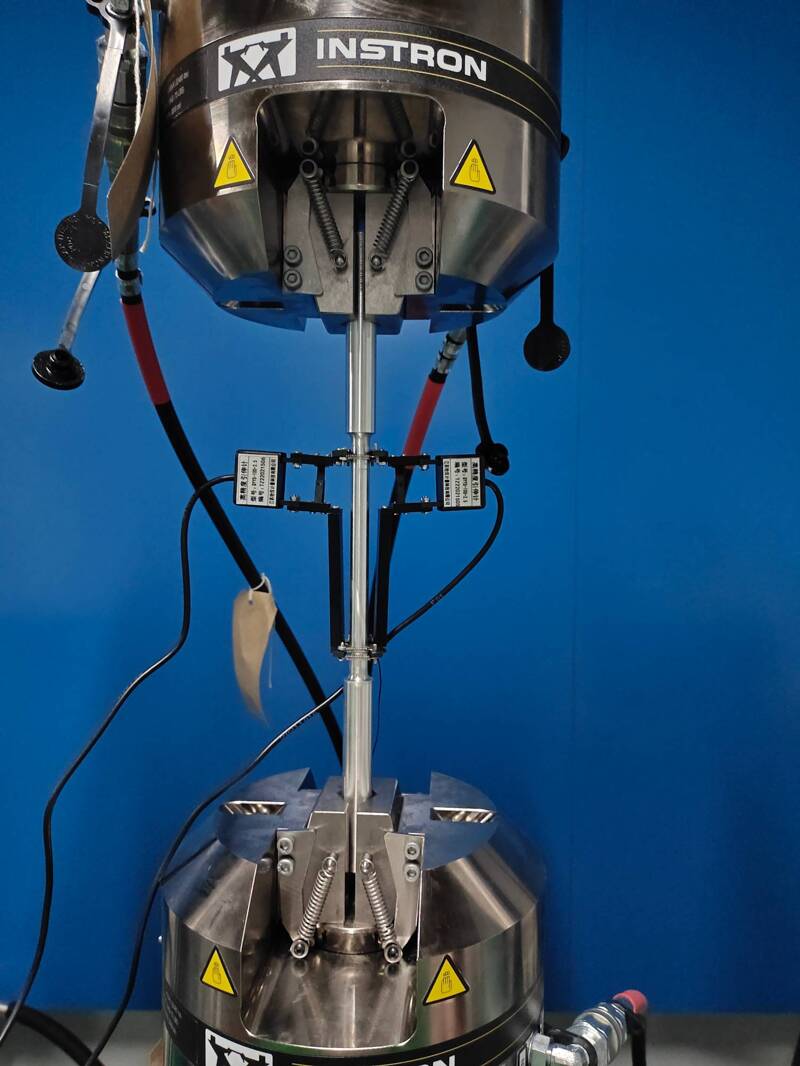
建立低温CAI强度预测模型
融合ASTM D6641压缩试验数据
某新型宽体客机平尾盒段试验表明,采用改进后的检测方案可使低温工况下的安全裕度提升42%。这印证了检测技术创新对标准完善的驱动作用。
新美测(青岛)测试有限公司依托自主研发的低温-湿热-振动三综合试验平台,针对航空复合材料特性开发了专项检测方案:
全自动温控系统满足-70℃~180℃精确梯度控制
基于数字图像相关技术(DIC)的应变场实时监测
符合CCAR-25-R4适航条款的定制化测试流程
该方案已成功应用于多个国产民机型号的复合材料适航验证,实现了复杂环境载荷下的精准性能评估。技术团队持续跟踪AS9100系列标准动态,确保检测方法与航空产业升级保持同步。
Main Title: The Cryogenic Gap in HB 7407: Environmental Challenges in CAI Testing for Aerospace Laminates
Subtitle: Analyzing Standard Implementation Deviations and Detection Technology Advancement Paths
Body:
An investigation into a 2022 flap actuation malfunction on an international airliner, ultimately attributed to delamination failure of carbon fiber laminates at -40℃, has exposed critical vulnerabilities in aerospace composite testing. As the industry focuses on HB 7407 “Test Method for Compression Properties of Resin Matrix Composite Laminates for Aviation”, the insufficient coverage of cryogenic environments in its CAI (Compression After Impact) testing protocols is triggering deep concerns among materials engineers.
As China’s key testing standard for aerospace composites, HB 7407 details the test procedures for post-impact compressive strength of laminates. However, a close examination of Clause 5.3 (Test Environment) reveals it only mandates standard laboratory conditions (23±2℃, 50±5% RH), without compulsory requirements for the extreme low-temperature environments (-55℃ to -65℃) that aircraft actually endure. This deviation directly causes:
Material suppliers predominantly using ambient temperature data for certification
Widespread absence of cryogenic condition data during airworthiness reviews
Increased risk of sudden interlayer failure during service
While ASTM D7137-22 “Standard Test Method for Measuring the Damage Resistance of a Fiber-Reinforced Polymer Matrix Composite to a Drop-Weight Impact Event” lists low-temperature testing as optional, it fails to specify concrete parameters. This ambiguity in international standards objectively exacerbates technical omissions in HB 7407 implementation.
Below -40℃, aerospace laminates undergo triple structural evolution:
Resin matrix embrittlement transition: Modulus mutation near epoxy resin Tg point
Fiber/matrix interface debonding: Microcrack proliferation caused by CTE differences
Impact damage propagation: Cryogenic sensitivity of pre-existing defects
NASA CR-20230017892 reports show that T800 carbon fiber/5228 epoxy systems exhibit 37% CAI strength reduction at -55℃ compared to ambient temperature, with delamination area expanding 2.8 times. Such nonlinear degradation remains undetectable under current standard tests.
To bridge standard gaps, a multidimensional detection system must be established:
Environmental simulation system upgrade:
Developing cryogenic CAI strength prediction models
Incorporating ASTM D6641 compression test data
Tests on a new wide-body aircraft’s horizontal tail box section demonstrate that improved detection solutions can enhance safety margins by 42% under cryogenic conditions. This confirms the driving role of detection technology innovation in standard refinement.
New Measurement (Qingdao) Testing Co., Ltd. has developed specialized detection solutions for aerospace composites through its self-developed triple comprehensive test platform combining cryogenic, humidity, and vibration conditions:
Fully automatic temperature control system enables precise gradient control from -70℃ to 180℃
Real-time strain field monitoring via Digital Image Correlation (DIC) technology
Customized test procedures compliant with CCAR-25-R4 airworthiness clauses
This solution has been successfully applied in airworthiness verification of composites for multiple domestic civil aircraft models, achieving accurate performance evaluation under complex environmental loads. The technical team continuously tracks AS9100 series standard updates to ensure detection methodologies keep pace with aerospace industry advancements.
Testing service hotline: 186-5324-2346