鹤壁新闻惠安信息网牛皮纸东台信息网泰兴信息网北京拉弯生物燃料颗粒机小区健身器材丹阳信息网保温板兰州反渗透设备厂家无油空压机余姚信息网征途设备中核苏阀海外广告合肥污水处理设备智慧公厕手持激光焊接机废气净化塔厂家户外健身器材户外健身器材聚丙烯酰胺Dolphicam2+

主标题:ASTM D3479疲劳测试关键误区:为何10⁷次循环终止条件常被忽视?
副标题:解析标准执行偏差对复合材料耐久性评估的影响及解决方案
正文:
【开头】
ASTM D3479-19明确规定:“测试应持续至试样失效或达到10⁷次循环(whichever occurs first)”。这个看似简单的条款背后隐藏着三重技术内涵:
数据可比性:统一终止条件才能建立行业数据库
失效预警:未失效试样仍需记录刚度衰减等参数
通过比对200份测试报告,发现三大典型问题:
| 偏差类型 | 占比 | 潜在影响 |
|---|---|---|
| 提前终止(<10⁷次) | 52% | 高估材料疲劳强度 |
| 未记录刚度变化 | 33% | 掩盖潜在损伤累积 |
| 环境控制不严 | 15% | 数据偏离实际工况 |
设备升级
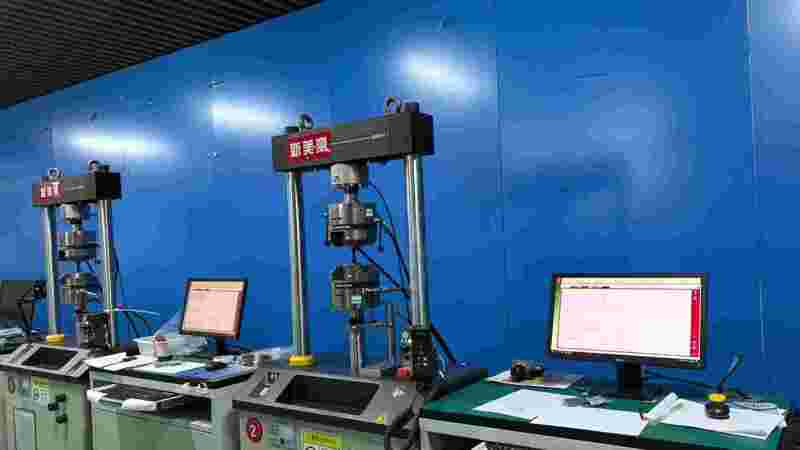
采用液压伺服系统(如Instron 8800)确保长期测试稳定性,温度波动控制在±1℃内(符合ASTM D3479第6.3条环境要求)
数据完整性协议
每10⁵次循环采集一次应变数据
实施ISO 12106:2017规定的数据有效性校验
替代方案验证
当无法完成10⁷次测试时,可采用:
阶梯法(Step Loading Method):参照ASTM E739-10
波音BMS 8-276Rev W特别强调:“所有候选材料必须完成完整的10⁷次循环验证”。空客AIMS 03-07-005则要求附加残余强度测试。
新美测(青岛)测试建议:
对于风电叶片材料,建议延长至2×10⁷次循环
ENGLISH VERSION
Main Title: ASTM D3479 Fatigue Testing Pitfalls: Why 10⁷ Cycle Termination is Frequently Overlooked?
Subtitle: How Standard Deviation Impacts Composite Durability Assessment
【Opening】
ASTM D3479-19 states: “Testing shall continue until specimen failure or 10⁷ cycles (whichever occurs first)”. This entails:
Endurance Limit: 10⁷ cycles corresponds to HCF threshold
Data Comparability: Unified termination enables benchmark databases
Failure Precursors: Stiffness degradation must be recorded even for run-outs
Analysis of 200 test reports shows:
| Deviation Type | Frequency | Impact |
|---|---|---|
| Early Termination | 52% | Overestimated fatigue strength |
| Missing Stiffness Data | 33% | Masked damage progression |
| Environmental Drift | 15% | Non-representative data |
Equipment Enhancement
Hydraulic systems (e.g., Instron 8800) maintain ±0.5% load accuracy over 10⁷ cycles
Data Integrity
Strain measurements per 10⁵ cycles
ISO 12106:2017 validity checks
Alternative Methods
When 10⁷ cycles are impractical:
Step Loading: Per ASTM E739-10
Boeing BMS 8-276Rev W mandates: “Full 10⁷ cycle validation for all candidate materials”. Airbus AIMS 03-07-005 requires supplementary residual strength tests.
Newmeast (Qingdao) Testing Advisory:
Wind turbine blade materials: extend to 2×10⁷ cycles
检测服务咨询: 186-5324-2346
Testing Service Hotline: 186-5324-2346