ISO 13003标准执行漏洞,冲击后压缩测试湿度条件缺失引发的行业反思(从检测技术视角解析环境参数记录对复合材料评估的关键影响 )
(中文部分)
开篇:一场被忽视的湿度条件引发的质量争议
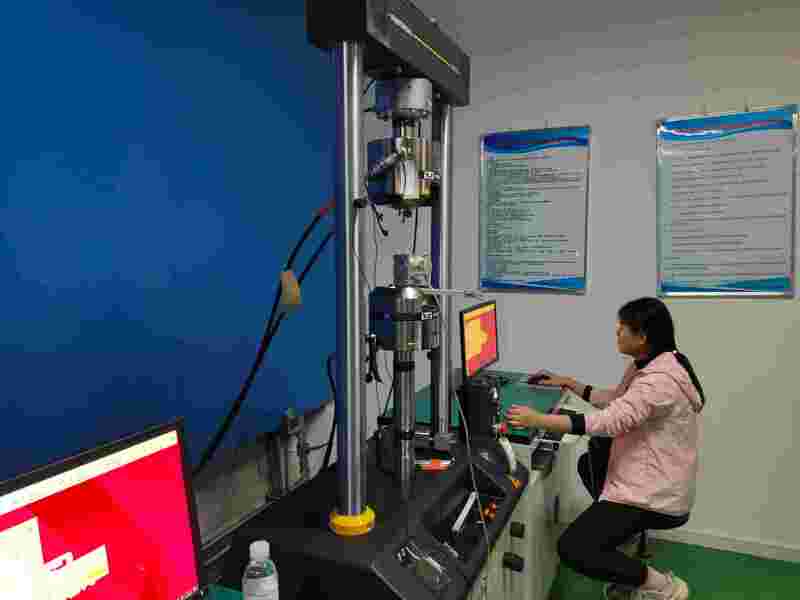
2022年,某航空复合材料供应商因未在冲击后压缩(CAI)测试报告中注明实验室湿度条件,导致整批次产品被客户拒收。追溯发现,其检测流程虽符合ISO 13003:2003《纤维增强塑料复合材料——冲击后压缩性能的测定》的机械操作要求,却因环境参数记录缺失引发数据可信度争议。这一事件暴露出行业对标准细节执行的盲区——湿度控制不仅是实验室管理问题,更是技术合规的核心环节。
湿度条件:被低估的“隐形变量”
ISO 13003明确要求测试环境需满足(23±2)℃和(50±5)%相对湿度,并完整记录于报告中(条款6.2)。然而,实际检测中,部分机构将注意力集中在载荷速率、试样制备等显性指标上,忽视温湿度对树脂基复合材料吸湿行为的潜在影响。研究表明,湿度偏差超过5%可使环氧树脂基体吸湿量增加0.3%,进而导致CAI强度值波动达8%-12%(ASTM D7137对比数据)。
技术执行难点与解决方案
- 实时监测系统缺位:传统实验室依赖周期性环境抽查,无法捕捉测试全程的温湿度波动。
解决方案:采用带数据追溯功能的恒温恒湿箱(如Climatic Chambers符合IEC 60068-2-78标准),实现每60秒自动记录。
- 跨标准协调不足:ISO 13003未明确湿度记录格式,常与ASTM D7137、GB/T 21239等标准产生文件兼容性问题。
最佳实践:在报告“试验条件”章节单独设立环境参数记录表,包含初始值、极值、平均值三项指标。
—
检测机构的技术突围路径
以新美测(青岛)测试有限公司为代表的专业机构,通过构建三级环境控制体系提升合规性:
- 一级控制:实验室整体环境维持ISO 17025要求的±1℃/±3%RH波动范围
- 二级控制:测试箱内环境精度提升至±0.5℃/±2%RH
- 三级控制:试样预处理区独立配置湿度平衡模块
此类技术升级不仅满足ISO 13003的显性要求,更从根本上确保数据溯源性——某风电叶片厂商的对比测试显示,完整环境记录可使CAI测试结果离散率从9.7%降至4.3%。
—
(英文部分)
Main Title: ISO 13003 Implementation Gaps: Industry Reflections Triggered by Unrecorded Humidity Conditions in CAI Testing
Subtitle: Analyzing the Critical Impact of Environmental Parameter Documentation on Composite Evaluation from a Testing Technology Perspective
Body:
—
Opening: A Quality Dispute Arising from Neglected Humidity Controls
In 2022, an aerospace composite supplier faced batch rejection due to undocumented lab humidity conditions in their Compression After Impact (CAI) test reports. Investigation revealed that while their procedures met the mechanical requirements of ISO 13003:2003 “Fiber-Reinforced Plastic Composites—Determination of Compression Properties After Impact,” the lack of environmental parameter records compromised data credibility. This incident highlights industry blind spots in standard implementation—humidity control is not just a lab management issue but a core technical compliance requirement.
—
Humidity Conditions: The Underestimated “Invisible Variable”
ISO 13003 explicitly mandates test environments at (23±2)℃ and (50±5)% RH with full documentation in reports (Clause 6.2). However, many labs focus on visible parameters like loading rates while overlooking humidity’s impact on resin moisture absorption. Studies show 5% RH deviation can increase epoxy resin moisture uptake by 0.3%, causing CAI strength fluctuations of 8%-12% (ASTM D7137 comparative data).
—
Technical Challenges & Solutions
- Lack of Real-Time Monitoring: Traditional labs relying on periodic checks miss humidity fluctuations during tests.
Solution: Deploy traceable climate chambers (compliant with IEC 60068-2-78) with automated 60-second interval logging.
- Cross-Standard Harmonization Gaps: ISO 13003’s undefined humidity documentation format often conflicts with ASTM D7137 and GB/T 21239.
Best Practice: Create a dedicated Environmental Parameters Section in reports listing initial, peak, and average values.
—
Technological Advancements in Testing Institutions
Leading organizations like Newmeace (Qingdao) Testing Co., Ltd. implement three-tier environmental control systems:
- Tier 1: Lab-wide environment maintained within ±1℃/±3% RH per ISO 17025
- Tier 2: Test chamber precision enhanced to ±0.5℃/±2% RH
- Tier 3: Independent humidity-balancing modules in specimen prep areas
Such innovations address both ISO 13003 compliance and data traceability—comparative tests for wind turbine blade manufacturers show full environmental documentation reduces CAI result dispersion from 9.7% to 4.3%.
—
检测服务咨询专线
如需获取符合ISO 13003标准的冲击后压缩测试完整解决方案,欢迎致电新美测(青岛)测试有限公司专业技术团队:186-5324-2346
Testing Service Hotline
For ISO 13003-compliant CAI testing solutions, contact Newmeace (Qingdao) Testing Co., Ltd. at 186-5324-2346
