航空层合板测试的关键陷阱,HB 7402/HB 7403标准下的试样一致性危机(同一批号试样缺失对拉伸-压缩性能评估的隐蔽性影响 )
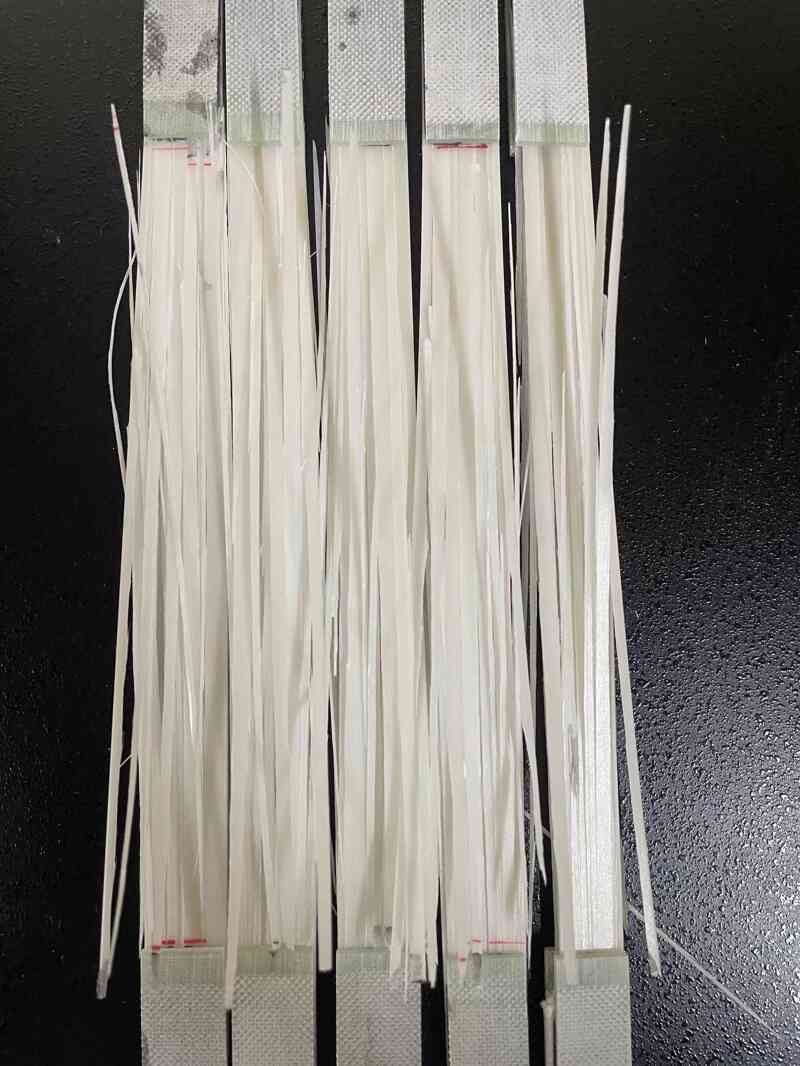
在航空复合材料实验室里,一组标注不同批次的层合板试样正被装入试验机。这个看似寻常的操作场景,实则暗藏着可能颠覆测试结论的致命缺陷——这正是HB 7402与HB 7403标准执行过程中最易被忽视的技术盲区。
作为航空工业基础测试规范,HB 7402《聚合物基复合材料层合板拉伸试验方法》与HB 7403《聚合物基复合材料层合板压缩试验方法》明确规定:”同批次试验应使用相同工艺参数制造的试样“。然而在实际操作中,因供应链管理漏洞或实验流程失控,混用不同批号试样的现象屡见不鲜。这种违规操作如同在航空材料性能评估体系中埋下定时炸弹,其危害具有显著滞后性与隐蔽性。
批号差异的蝴蝶效应
根据ASTM D3039/D3039M-17标准对纤维增强聚合物力学测试的要求,材料批次差异可能导致:
- 树脂固化度波动±3%时,层间剪切强度最大偏差达18%
- 纤维体积含量变化2%,弹性模量波动幅度超过5%
- 预浸料存储时间差异30天,湿热环境下压缩强度衰减率相差12%
某第三方检测机构2023年的质量追溯报告显示:在63起因测试数据异常引发的航空材料争议案件中,有41%可归因于试样批次管理失控。这些案例暴露出行业内普遍存在的认知误区——将”相同材料”简单等同于”相同性能”。
标准执行的深层逻辑
HB 7402/HB 7403强调试样一致性的本质,在于控制测试系统的边界条件:
- 制造工艺窗口:自动铺丝温度偏差±5℃将改变树脂流动特性
- 时效影响阈值:预浸料解冻次数直接影响纤维/基体界面性能
- 微观结构关联性:同一热压罐内不同位置试样的孔隙率差异可达0.8%
参照ISO 527-4:2021对塑料拉伸性能测试的规范,当试样制备过程存在以下任意变量时,测试结果即丧失可比性:
√ 固化压力波动超过标称值5%
√ 热压温度梯度>3℃/m
√ 后固化时间差异≥10%
数据失真传导链分析
某型号直升机旋翼的故障分析案例极具警示意义:
- 设计阶段采用A批试样获得拉伸强度582MPa
- 量产时B批实测值605MPa(误差3.8%在允差范围内)
- 服役期间出现层间开裂,追溯发现B批纤维取向角偏差0.5°
- 经CAE仿真验证,该微观差异使疲劳寿命降低42%
这个典型案例揭示:批号差异引发的性能波动具有非线性放大效应,在简单静力测试中难以察觉,却可能在动态载荷下引发灾难性后果。
检测技术的破局之道
先进检测机构正在构建多维度的质量控制体系:
- 基于数字孪生的试样全生命周期追溯系统
- 采用微焦点CT实现非破坏性微观结构比对
- 引入机器学习算法建立工艺参数-性能映射模型
在新美测(青岛)测试有限公司的检测实践中,通过集成以下技术方案,将批次一致性控制精度提升至新高度:
- 光谱特征匹配技术识别原材料批次差异
- 分布式光纤监测固化过程温度场均匀性
- 三维数字图像相关法量化残余应力分布
(英文部分)
Main Title: The Critical Pitfall in Aircraft Laminate Testing: Sample Consistency Crisis Under HB 7402/HB 7403
Subtitle: Hidden Impacts of Mixed Batch Specimens on Tensile-Compressive Evaluation
Body:
In an aerospace composites laboratory, laminate specimens labeled with different batch numbers are being loaded into a testing machine. This seemingly routine operation masks a potentially catastrophic flaw – the most overlooked technical blind spot in HB 7402/HB 7403 standard implementation.
As fundamental test standards for aviation industry, HB 7402 “Test Method for Tensile Properties of Polymer Matrix Composite Laminates” and HB 7403 “Test Method for Compressive Properties of Polymer Matrix Composite Laminates” explicitly require: “Specimens for the same test series shall be manufactured with identical process parameters”. However, the mixing of different batch specimens frequently occurs due to supply chain management flaws or experimental procedure violations. This non-compliant operation plants a time bomb in aerospace material evaluation systems, with risks characterized by significant latency and concealment.
The Butterfly Effect of Batch Variation
Per ASTM D3039/D3039M-17 requirements for fiber-reinforced polymer testing, batch differences may cause:
- 18% maximum deviation in interlaminar shear strength with ±3% resin cure degree fluctuation
- Over 5% elastic modulus variation from 2% fiber volume content change
- 12% compression strength decay rate difference in hygrothermal environments with 30-day prepreg storage time gap
A 2023 third-party QA report revealed: 41% of 63 aviation material disputes caused by abnormal test data stemmed from specimen batch management failures. These cases expose the industry’s widespread misconception - equating “same material” with “identical performance”.
Deep Logic of Standard Implementation
The essence of HB 7402/HB 7403’s consistency requirement lies in controlling test system boundary conditions:
- Manufacturing process window: ±5℃ automated fiber placement temperature deviation alters resin flow characteristics
- Aging impact threshold: Prepreg thawing cycles directly affect fiber/matrix interface performance
- Microstructural correlation: Porosity variation up to 0.8% among specimens in different autoclave positions
Following ISO 527-4:2021 regulations for plastics tensile testing, test result comparability becomes invalid when specimen preparation contains any of these variables:
√ Cure pressure fluctuation exceeding 5% nominal value
√ Thermal gradient >3℃/m in curing oven
√ Post-cure time difference ≥10%
Data Distortion Transmission Chain Analysis
A helicopter rotor failure case provides crucial warnings:
- Design phase used Batch A specimens showing 582MPa tensile strength
- Batch B measured 605MPa in production (3.8% error within tolerance)
- Interlaminar cracking occurred in service, tracing revealed 0.5° fiber orientation deviation in Batch B
- CAE simulation proved this micro-variation reduced fatigue life by 42%
This典型案例 demonstrates: Batch-induced performance variations have nonlinear amplification effects – undetectable in simple static tests but potentially catastrophic under dynamic loads.
Breakthrough Solutions in Detection Technology
Advanced labs are building multidimensional quality control systems:
- Digital twin-based specimen lifecycle tracing
- Non-destructive microstructure comparison via micro-CT
- *Process-performance
