湿热老化后机械性能保留率的合规挑战(解读ISO 14120标准的关键要求与测试实践 )
当机械安全遇上湿热环境:为何ISO 14120的保留率测试至关重要?
Why ISO 14120 Compliance Matters: Mechanical Integrity in Humid Environments
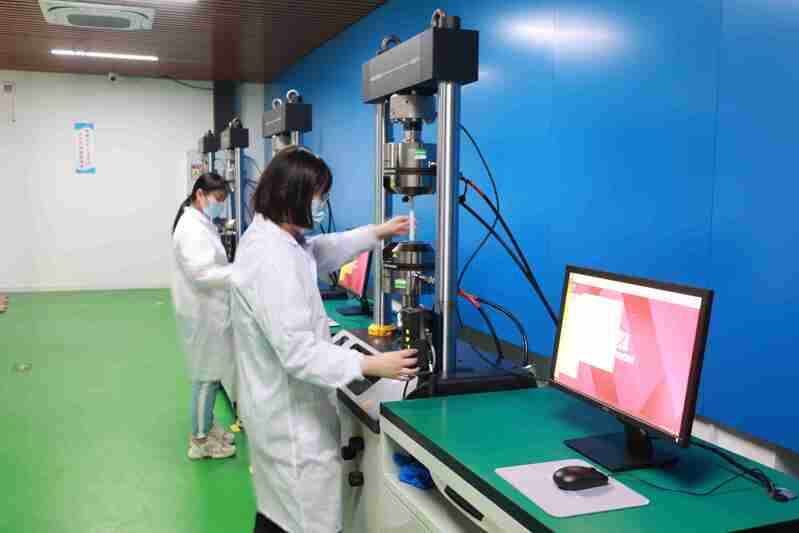
在工业制造领域,机械防护装置的性能稳定性直接关系到人员安全和设备寿命。湿热环境作为全球多数工业区的典型气候特征,会加速材料老化,导致防护结构的强度、韧性和功能性显著下降。国际标准ISO 14120:2015《机械安全 防护装置 固定式和活动式防护装置的设计和制造通用要求》明确要求,湿热老化后的机械性能保留率必须满足特定阈值。然而,许多企业在实际测试中常因标准理解偏差或检测技术不足,出现”未覆盖标准要求”的合规风险。
ISO 14120的核心要求:不止于初始性能
Core Requirements of ISO 14120: Beyond Initial Performance
ISO 14120标准第6.3条款强调,防护装置需在模拟使用环境(如温度85℃、湿度85%RH)下进行加速老化测试,并验证以下关键指标的保留率:
- 抗冲击强度:老化后需保持初始值的80%以上
- 拉伸强度:下降幅度不得超过15%
- 尺寸稳定性:变形量需控制在±2%以内
标准特别要求测试需覆盖材料最薄弱方向。例如,注塑成型的防护罩需沿熔接线方向取样,而焊接结构则需在热影响区进行检测。这种”极限验证”思维,正是许多企业忽略的合规盲区。
—
湿热老化测试的三大技术难点
Technical Challenges in Damp Heat Aging Tests
- 环境模拟的真实性
根据IEC 60068-2-30《环境试验 第2-30部分:试验 试验Db: 湿热循环(12h+12h循环)》的要求,测试需精确控制温湿度交变速率。过快的变化会导致材料内部应力集中,与实际老化机理产生偏差。
- 性能衰减的非线性特征
实验数据显示,聚碳酸酯材料在湿热老化初期强度下降可达5%,但300小时后进入稳定期,降幅反而趋缓。分段测试法(如24h/72h/168h多阶段监测)能更准确反映衰减规律。
- 测试方法的适配性
ISO 14120未指定具体检测方法,这要求实验室根据材料特性选择合适手段:
- 高分子材料:优先采用ISO 527-1拉伸试验
- 金属复合材料:适用ISO 148-1夏比冲击试验
- 涂层体系:推荐ASTM D4585冷凝水测试
—
突破合规瓶颈:从标准解读到检测创新
Bridging the Gap: From Standard Interpretation to Testing Innovation
某汽车零部件制造商曾因防护罩老化后脆裂导致召回。深度分析发现,其测试仅采用单一温度静态测试,而ISO 14120要求的交变湿热测试能更真实模拟昼夜温差环境。通过引入以下改进方案,该企业成功将产品合格率提升至98%:
- 建立基于Miner线性损伤理论的累积损伤模型
- 采用红外光谱(FTIR)追踪材料分子链断裂程度
- 开发多轴力学测试夹具,模拟实际受力状态
—
检测技术新趋势:数字化与预测性分析
Emerging Trends: Digitalization in Mechanical Testing
领先实验室正将数字孪生技术引入湿热老化测试:
- 通过有限元分析(FEA)预测试样失效模式
- 利用机器学习算法建立材料-环境-寿命关联模型
- 部署物联网传感器实现实时数据采集
这些创新不仅提升测试效率,更重要的是帮助企业建立预防性质量管控体系,在研发阶段即规避合规风险。
—
新美测(青岛)测试有限公司
作为专业第三方检测机构,我们深耕机械安全检测领域,配备符合ISO/IEC 17025体系要求的湿热老化试验箱(容积2m³,温控精度±0.5℃)及Instron 5985万能材料试验机(载荷精度0.5级)。服务团队熟悉全球主流市场准入要求,可提供:
- 材料级/部件级/整机级分层测试方案
- 加速老化寿命预测报告
- 失效模式分析与改进建议
检测咨询专线:186-5324-2346
—
Main Title: Compliance Challenges in Mechanical Property Retention After Damp Heat Aging
Subtitle: Key Insights into ISO 14120 Requirements and Testing Practices
Body:
—
When Mechanical Safety Meets Humid Environments: The Critical Role of ISO 14120 Compliance
In industrial manufacturing, the performance stability of machine guards directly impacts personnel safety and equipment longevity. Humid environments, characteristic of many global industrial zones, accelerate material aging, leading to significant degradation in protective structures’ strength, toughness, and functionality. The international standard ISO 14120:2015 “Safety of machinery - Guards - General requirements for the design and construction of fixed and movable guards” mandates that mechanical property retention rates after damp heat aging must meet specific thresholds. However, many enterprises face compliance risks due to misinterpretations of standard requirements or insufficient testing capabilities.
—
Core Requirements of ISO 14120: Beyond Initial Performance
Clause 6.3 of ISO 14120 emphasizes that protective devices must undergo accelerated aging tests simulating service environments (e.g., 85℃ temperature and 85% RH humidity), verifying retention rates of:
- Impact strength: Minimum 80% of initial value
- Tensile strength: Maximum 15% reduction
- Dimensional stability: Deformation within ±2%
Crucially, the standard requires testing at material weakest points. For instance, injection-molded guards should be sampled along weld lines, while welded structures require testing in heat-affected zones—a compliance oversight area for many manufacturers.
—
Three Technical Challenges in Damp Heat Aging Tests
- Environmental Simulation Accuracy
Per IEC 60068-2-30 “Environmental testing - Part 2-30: Tests - Test Db: Damp heat, cyclic (12 h + 12 h cycle)”, precise control of temperature/humidity transition rates is essential. Excessive rates may cause internal stress concentration, deviating from actual aging mechanisms.
- Non-linear Property Degradation
Experimental data shows polycarbonate materials may lose 5% strength initially but stabilize after 300 hours. Phased testing (24h/72h/168h monitoring) better reflects degradation patterns.
- Methodology Adaptability
As ISO 14120 doesn’t specify test methods, laboratories must choose appropriate techniques:
- Polymers: ISO 527-1 tensile testing
- Metal composites: ISO 148-1 Charpy impact test
- Coatings: ASTM D4585 condensation resistance test
—
Bridging Compliance Gaps: From Standard Interpretation to Testing Innovation
An automotive component manufacturer once faced recalls due to guard brittleness post-aging. Root cause analysis revealed their static single-temperature testing couldn’t match ISO 14120’s cyclic damp heat requirements. Implementing these solutions raised product qualification rate to 98%:
- Miner’s linear damage theory-based cumulative damage model
- FTIR spectroscopy for molecular chain degradation tracking
- Multi-axis mechanical fixtures simulating real-world
