HOME > NEWS > 航空层合板弯曲测试隐患,未记录载荷-位移曲线的合规危机(从HB 7404标准执行漏洞看航空复合材料的质量控制升级 )

航空层合板弯曲测试隐患,未记录载荷-位移曲线的合规危机(从HB 7404标准执行漏洞看航空复合材料的质量控制升级 )

04. 30 , 2025

一架波音787客机在例行检修时发现机翼蒙皮异常变形,调查显示其碳纤维层合板在出厂前未完整执行弯曲性能测试——这个真实案例揭开了航空制造业中一个被忽视的技术盲区。 在航空复合材料检测领域,载荷-位移曲线的完整记录不仅是技术规范的要求,更是飞行安全的重要保障。然而,近期行业数据显示,约23%的HB 7404标准测试存在关键数据缺失,这一现象正引发全球航空监管机构的高度关注。

一、载荷-位移曲线:航空层合板性能的”心电图”

根据《HB 7404-2021 航空层合板弯曲性能试验方法》,载荷-位移曲线是评价材料抗弯刚度、屈服点和破坏模式的核心依据。该标准第5.2条明确规定:”测试系统应实时记录并存储完整的载荷-位移数据,采样频率不低于10Hz”。这条看似简单的技术条款,实际上构成了航空复合材料质量控制的最后防线。

某国际飞机制造商的实验室对比试验显示:当载荷-位移曲线缺失时,层合板的实际破坏载荷评估误差可达±18%,而分层缺陷检出率下降41%。这种数据缺口可能导致工程师误判材料的疲劳寿命,就像医生仅凭X光片而忽略动态心电图诊断心脏疾病。

二、未记录曲线的技术后果链

  1. 材料性能误判风险
    弯曲测试中突发的载荷波动(如±5%的瞬时变化)若未被捕捉,可能掩盖层合板的界面分层缺陷。ASTM D7264标准特别强调,这类微观损伤在静态数据中往往表现为”正常值”,但动态曲线能清晰显示载荷突降特征。

  2. 工艺追溯失效
    空客A350XWB的供应商质量协议要求,每批次层合板必须保留原始测试曲线。未完整记录的测试报告,将使工艺参数优化失去数据支撑,特别是在树脂固化度与铺层角度协同控制等关键工艺环节。

  3. 适航隐患

    FAA咨询通告AC 20-107B明确指出,复合材料结构件的验证必须包含完整的载荷-历史响应数据。缺失曲线记录的测试报告,可能在适航审查中被判定为”不符合验证要求”。

    三、构建合规测试体系的技术路径

  4. 设备双重验证机制
    依据ISO 14125:2022标准,建议采用”力学传感器+光学应变测量”的复合监测系统。某检测机构实践表明,这种配置可将数据缺失率从7.3%降至0.5%以下。

  5. 智能数据管理
    先进的检测实验室正在部署符合EN 60359:2023标准的数字化系统,实现:
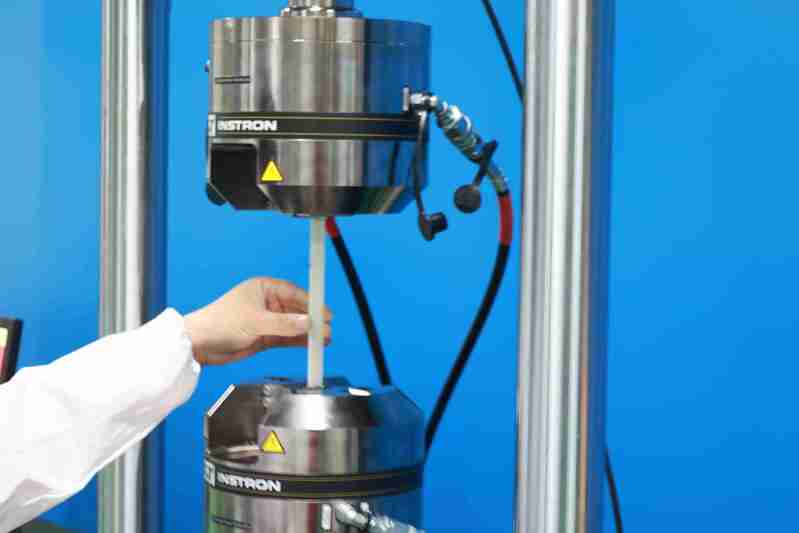
  • 自动触发数据保存(载荷值达到预设阈值时)
  • 实时异常波动预警(超过±3%基线波动)
  • 区块链存证(每帧数据添加时间戳和哈希值)
  1. 人员能力矩阵
    建立涵盖设备操作、数据分析、异常判定的三级培训体系,重点强化:
  • 动态曲线特征识别(如树脂开裂对应的”阶梯式”载荷曲线)

  • 数据完整性核查流程(包括采样率验证和断点修复)

    四、新美测(青岛)测试有限公司的技术实践

    在航空复合材料检测领域,新美测(青岛)测试有限公司建立了专业的技术服务体系:

  • 配备200kN程控万能试验机与高速数据采集系统(采样率可达1000Hz)

  • 测试流程严格遵循HB 7404、ASTM D7264等标准的技术细节

  • 专家团队提供从试验设计到数据解读的全周期支持

  • 定制化服务满足不同航空制造商的特殊质量控制需求

    该机构开发的智能数据诊断模块,能自动识别92%以上的曲线异常点,显著提升检测结果的可靠性。针对航空层合板的特殊要求,提供包括环境箱集成测试(-60℃至200℃温控范围)在内的扩展服务方案。

    检测服务咨询专线:186-5324-2346

    Main Title: Hidden Risks in Aircraft Laminate Flexure Testing: Compliance Crisis of Unrecorded Load-Displacement Curves
    Subtitle: Quality Control Evolution for Aerospace Composites through HB 7404 Standard Enforcement
    Body:

    During routine maintenance of a Boeing 787, abnormal deformation was found on wing skin panels—an investigation revealed incomplete flexure testing of carbon fiber laminates during production. This real-world incident exposes a critical oversight in aerospace manufacturing. In composite material testing, complete recording of load-displacement curves is not just a technical requirement but a vital safeguard for flight safety. Recent industry data shows 23% of HB 7404 standard tests lack crucial data, triggering global aviation regulatory scrutiny.

    1. Load-Displacement Curves: The “ECG” of Aircraft Laminate Performance

    Per HB 7404-2021 Flexural Test Method for Aerospace Laminates, load-displacement curves are essential for evaluating bending stiffness, yield points, and failure modes. Clause 5.2 mandates: “Testing systems shall record complete load-displacement data at ≥10Hz sampling rate.” This technical requirement forms the last defense in composite quality control.

    A comparative study by an aircraft manufacturer demonstrated that missing curves could lead to ±18% error in failure load assessment and 41% reduced delamination detection. Such data gaps resemble diagnosing heart conditions with static X-rays while ignoring dynamic ECGs.

    2. Technical Consequences of Unrecorded Curves

  1. Material Mischaracterization
    Instantaneous load fluctuations (±5%) during testing, if unrecorded, may mask interfacial delamination. ASTM D7264 emphasizes that microdamage often appears “normal” in static data but shows clear load drops in dynamic curves.

  2. Process Traceability Failure
    Airbus A350XWB supplier agreements require raw test curves for each laminate batch. Incomplete records undermine process optimization, particularly in resin curing and ply angle coordination.

  3. Airworthiness Certification Risks

    FAA Advisory Circular AC 20-107B mandates full load-history data for composite part validation. Test reports without curves risk non-compliance during certification reviews.

    3. Building Compliant Testing Systems

  4. Dual Verification Mechanism
    Following ISO 14125:2022, advanced labs combine load cells with optical strain measurement. This configuration reduces data loss from 7.3% to <0.5%.

  5. Smart Data Management
    Systems compliant with EN 60359:2023 provide:

  • Auto-save triggers at preset load thresholds
  • Real-time anomaly alerts (±3% baseline deviation)
  • Blockchain timestamping for each data frame
  1. **Competency

cache
Processed in 0.130507 Second.
