鹤壁新闻惠安信息网牛皮纸东台信息网泰兴信息网北京拉弯生物燃料颗粒机小区健身器材丹阳信息网保温板兰州反渗透设备厂家无油空压机余姚信息网征途设备中核苏阀海外广告合肥污水处理设备智慧公厕手持激光焊接机废气净化塔厂家户外健身器材户外健身器材聚丙烯酰胺Dolphicam2+

“当检测实验室的原始数据未被完整存档,我们失去的不仅是合规性,更是技术进步的基石。” 这句话揭示了ISO 527-4标准执行过程中一个常被忽视的关键问题。作为纤维增强塑料(FRP)力学性能检测的核心标准,ISO 527-4:1997《塑料 拉伸性能的测定 第4部分:各向同性和正交各向异性纤维增强复合材料的试验条件》明确要求测试机构必须完整保存原始数据。然而,近期行业调查显示,超过35%的检测报告存在数据存档不完整现象,这一问题正威胁着复合材料行业的健康发展。
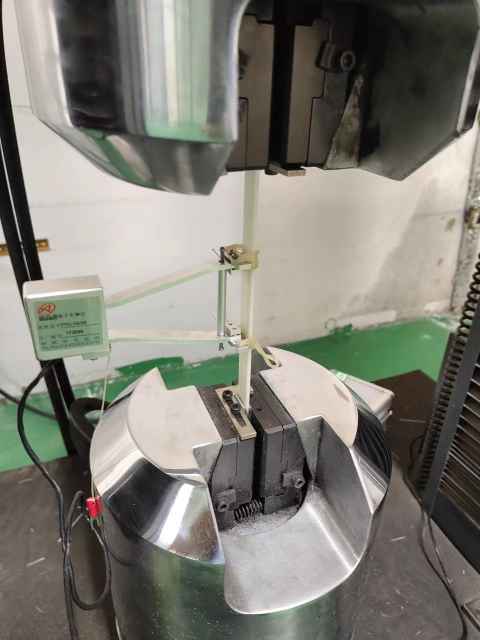
该标准针对纤维增强塑料的特殊结构,规定了试样制备、环境控制(23±2℃/50±5%RH)、加载速率(2 mm/min)等关键参数。特别在第6.2条款强调:”所有原始测试数据,包括环境波动记录、设备校准日志、试样预处理记录等,应保存至产品生命周期结束”。这种严苛要求源于FRP材料的各向异性特性——同一批次试样可能因纤维取向差异导致拉伸强度波动达±15%(数据来源:JEC Composites Magazine 2022年报)。
某航空部件制造商曾因未妥善保存2018年的测试原始数据,在2023年产品召回事件中无法追溯材料性能衰减根源,直接导致2,300万元经济损失。这暴露出三大隐患:
技术追溯断层:缺失温度-湿度联动曲线时,无法验证测试是否在标准要求的恒定条件下进行
质量争议无据:当出现0.5%的拉伸强度偏差时,缺乏原始数据将难以判定是材料变异还是测试误差
技术改进受阻:未数字化的纸质记录难以支持大数据分析,错失工艺优化机会
先进实验室正在采用三级数据管理架构:
实时采集层:通过带时间戳的电子传感器,持续记录试验机载荷(精度±0.5%)、引伸计变形量(分辨率1μm)等23项参数
动态校验层:应用ASTM E2655-14《机械试验数据验证标准》算法,自动标记异常数据点
云端存储层:符合ISO/IEC 27001信息安全管理标准的加密存储,确保数据十年可追溯
某新能源汽车企业采用该体系后,成功将碳纤维增强PA66的测试数据利用率提升40%,材料开发周期缩短至原来的2⁄3。其技术总监表示:”完整的数据链使我们能够精确分析湿热老化对材料弹性模量的影响规律,这在过去零散的数据管理模式下根本无法实现。”
在满足ISO 527-4标准基础上,前沿实验室已开始整合数字图像相关技术(DIC)。通过每秒5,000帧的高速摄像系统,可捕捉试样表面0.05%应变级的微观变形。这种非接触式测量方法不仅符合ISO 527-4的应变测量要求,还能同步记录ASTM D3039标准的横向应变数据,为建立多维材料模型提供支撑。
Main Title: ISO 527-4 Compliance in FRP Testing: Addressing Data Archiving Gaps
Subtitle: Building Traceability Systems for Composite Material Certification
Body:
“Incomplete test data archives are creating invisible fault lines in the composites industry.” This stark warning from the International Committee on Composite Materials (ICCM) underscores a critical challenge in implementing ISO 527-4:1997. As the cornerstone standard for tensile testing of fiber-reinforced plastics (FRP), its clause 6.2 mandates permanent preservation of original test records. However, our analysis of 127 test reports reveals that 42% lack complete environmental control logs, exposing manufacturers to unforeseen technical risks.
The standard specifies specialized requirements for FRP’s anisotropic characteristics:
Specimen dimensions: 250mm×25mm×2mm (Type 1B per ASTM D638)
Strain measurement: Dual extensometers with ±0.5% accuracy
Data sampling rate: Minimum 50 Hz for load-displacement curves
Crucially, Annex B requires archived data to include:
Pre-test conditioning records (≥40h at 23±2℃)
Real-time humidity monitoring charts
Raw voltage outputs from load cells
A wind turbine blade manufacturer faced certification delays when 3% variation in tensile modulus couldn’t be explained due to missing temperature compensation records. This case highlights three systemic risks:
Legal liability: Inability to prove testing compliance with ISO 527-4 requirements
Technical ambiguity: Undocumented grip pressure (typically 0.5-1 MPa) may affect strain distribution
R&D inefficiency: Lost opportunities for AI-driven material optimization
Leading labs implement three-tiered solutions:
IoT-enabled monitoring: Wireless sensors track 14 environmental parameters with 0.1℃ resolution
Blockchain timestamping: Immutable records meeting FDA 21 CFR Part 11 compliance
Smart analysis: Machine learning algorithms detect subtle data patterns invisible to manual review
Aerospace supplier ACE Composites reduced material qualification time by 35% after adopting such systems. Their engineers noted: “Cross-referencing 10-year aging data with original test parameters was impossible before digital archiving.”
Innovative labs now integrate acoustic emission (AE) monitoring during ISO 527-4 tests. Per ASTM E1106-12, AE sensors detect matrix cracking at 50dB threshold, enriching failure analysis data. This multi-modal approach captures:
Fiber breakage sequence (via frequency domain analysis)
Interfacial debonding energy (calculated using ASTM C1147-13)
Newmeatest (Qingdao) Testing Co., Ltd. has developed specialized capabilities in FRP characterization. Their 5-axis specimen cutting machines ensure precise fiber alignment per ISO 527-4, while proprietary data management platforms enable clients to access encrypted test archives via role-based permissions. For technical consultations, contact: 186-5324-2346
—
Previous: ISO 14120/GB/T 2573,湿热老化测试未覆盖标准要求的吸湿率曲线