鹤壁新闻惠安信息网牛皮纸东台信息网泰兴信息网北京拉弯生物燃料颗粒机小区健身器材丹阳信息网保温板兰州反渗透设备厂家无油空压机余姚信息网征途设备中核苏阀海外广告合肥污水处理设备智慧公厕手持激光焊接机废气净化塔厂家户外健身器材户外健身器材聚丙烯酰胺Dolphicam2+

正文:
开头:
国际标准ISO 14126:1999《纤维增强塑料复合材料—平面压缩性能的测定》明确要求,高温测试中温度波动需控制在±2℃以内。这一阈值并非随意设定,而是基于材料热膨胀系数和相变临界点的科学计算。
关键点:
温度波动超标会导致材料内部应力分布不均,压缩强度数据偏差可达10%以上(引自《Journal of Composite Materials》)。
斜体案例: 某航空复合材料供应商因测试温度波动达±5℃,误判批次合格率,导致后续部件批量开裂。
高温下,树脂基体对温度敏感。±3℃的波动可能引发局部固化不均(见ASTM D3039)。
采用PID算法温控系统(如Instron 3119-606),波动可压缩至±0.5℃。
定期验证设备符合GB/T 16825.1-2018(力学试验机校准标准)。
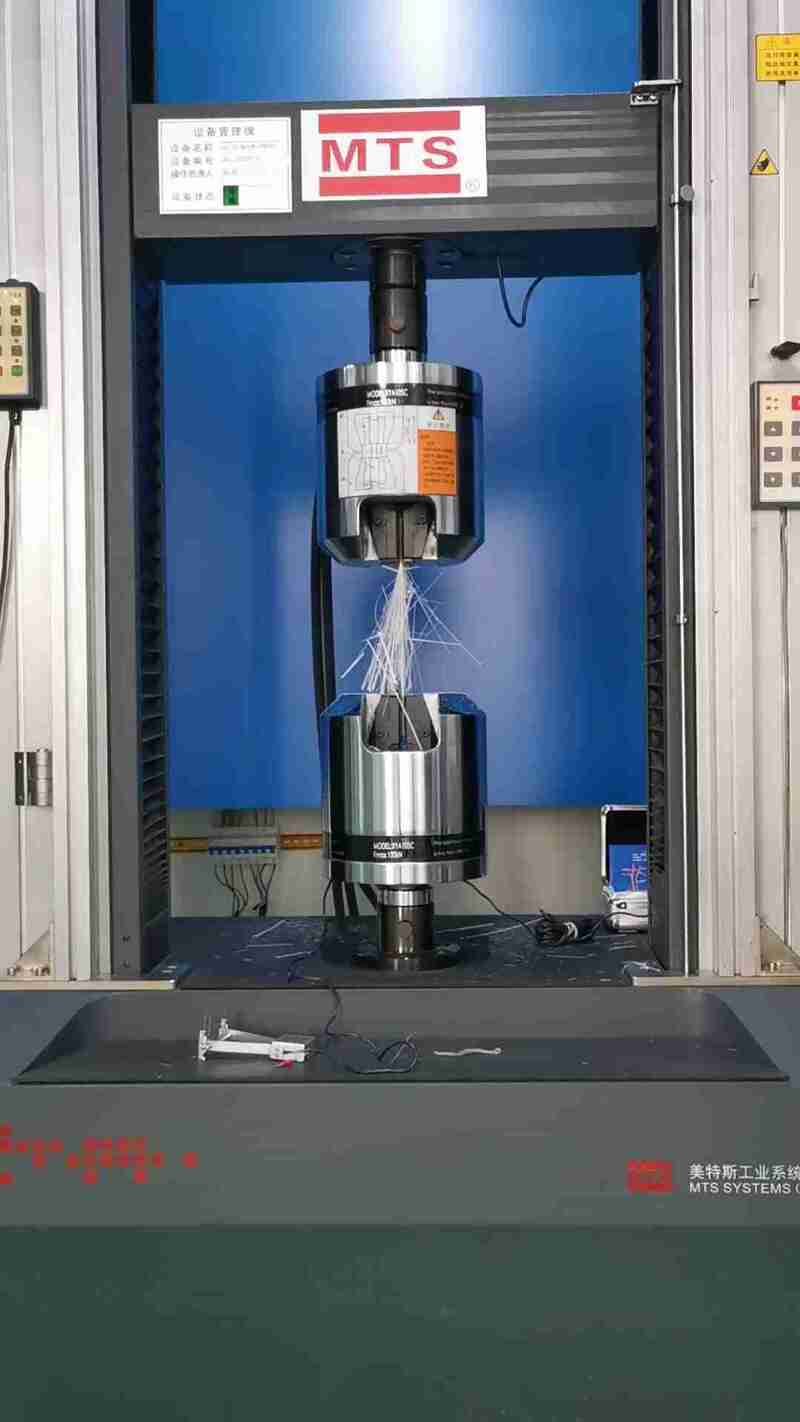
依托多年材料检测经验,我们提供:
高精度温控测试舱:支持-70℃~300℃范围,波动≤±1℃。
数据追溯系统:全程记录温度曲线,确保符合ISO 14126、GB/T 1447等标准。
English Version:
Main Title: Risks and Solutions of Uncontrolled ±2℃ Temperature Fluctuations in ISO 14126 High-Temperature Testing
Subtitle: How Standard Deviation Impacts Material Performance Evaluation
Body:
Opening:
The international standard ISO 14126:1999 (Fiber-reinforced plastic composites—Determination of compressive properties in-plane) mandates temperature fluctuations be kept within ±2℃. This threshold is based on material thermal expansion coefficients and phase transition points.
Key Points:
Exceeding limits can distort compression strength data by over 10% (per Journal of Composite Materials).
Case study: An aerospace supplier misjudged batch quality due to ±5℃ fluctuations, leading to component failures.
Resin matrices degrade under uneven heating. ±3℃ shifts may cause localized curing defects (ref: ASTM D3039).
PID-controlled chambers (e.g., Instron 3119-606) reduce fluctuations to ±0.5℃.
Regular calibration per GB/T 16825.1-2018 (mechanical tester standards).
Our capabilities include:
High-precision chambers: -70℃~300℃ range, fluctuations ≤±1℃.
Data traceability: Full temperature logging aligned with ISO 14126, GB/T 1447.
Contact: 186-5324-2346