GB/T 3356面内剪切测试的局限,为何0°/90°铺层方向未被覆盖?(解析复合材料检测标准的技术盲区与解决方案 )
开头
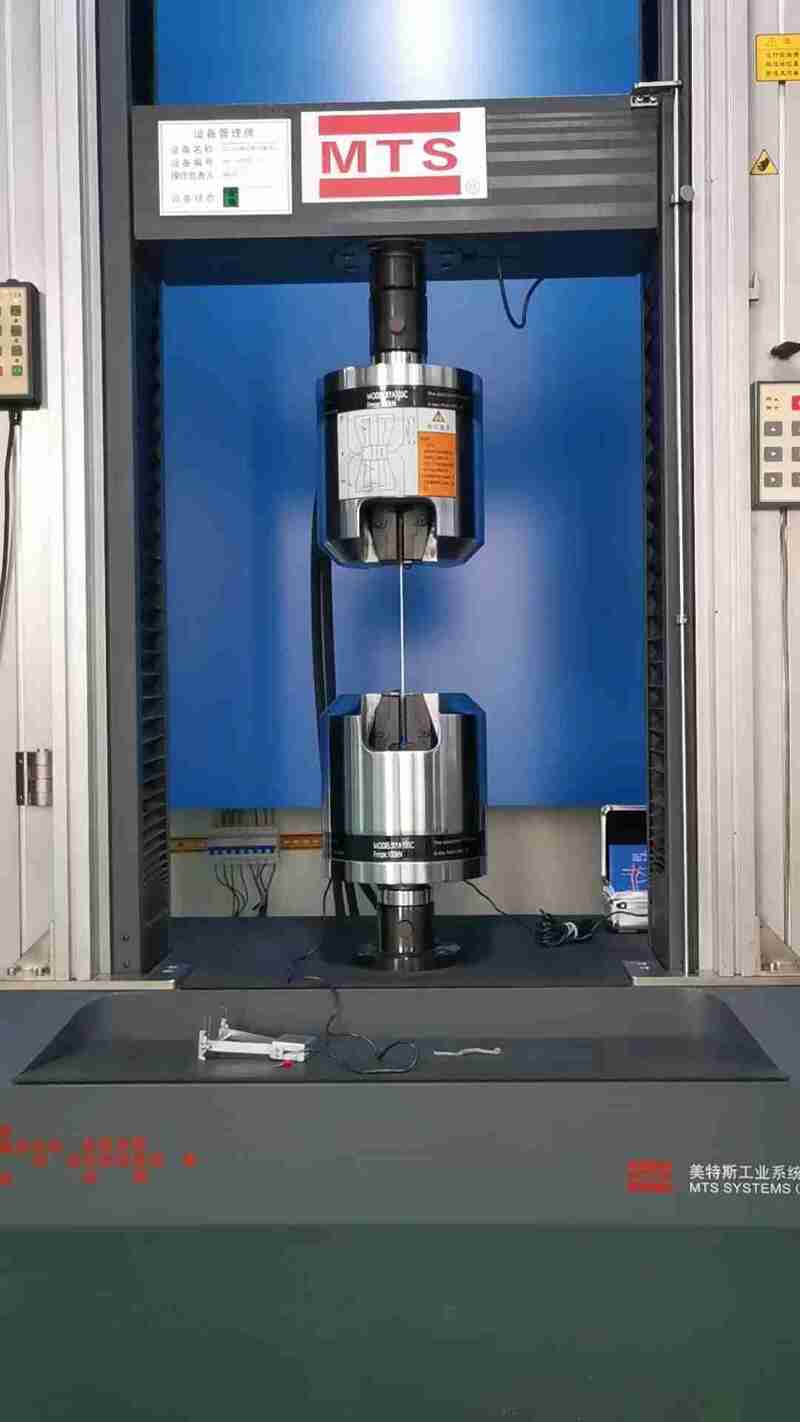
在复合材料性能测试领域,GB/T 3356-2014《纤维增强塑料复合材料 面内剪切性能试验方法》 被视为权威标准之一。然而,工程师们发现,该标准对0°/90°铺层方向的测试要求存在明显空白。这一遗漏可能影响航空、风电等高端领域的材料可靠性评估。本文将深入探讨这一技术缺口,并分析如何通过创新检测方法弥补不足。
1. 标准的技术覆盖范围分析
GB/T 3356-2014 主要针对±45°铺层方向的面内剪切测试,通过拉伸载荷间接计算剪切模量和强度。但实际应用中,0°/90°铺层(即正交铺层)在结构设计中极为常见,例如飞机蒙皮、风机叶片等。标准未涵盖此类方向,可能导致以下问题:
- 数据偏差:±45°测试结果无法直接推导0°/90°的性能;
- 设计风险:工程师可能被迫依赖理论模型,而非实测数据。
引用标准:
- GB/T 3356-2014《纤维增强塑料复合材料 面内剪切性能试验方法》
- ASTM D3518(国际标准中明确包含多向铺层测试)
—
2. 为何0°/90°方向被忽略?
技术层面,0°/90°铺层的剪切响应机制与±45°存在本质差异:
- 载荷传递路径:正交铺层中纤维方向与载荷垂直,易引发层间失效;
- 测试复杂性:需设计专用夹具以避免边缘效应(如ASTM D7078的V型缺口法)。
行业现状:
部分企业通过非标测试或结合ASTM标准补充数据,但缺乏统一性。
—
3. 解决方案与检测技术创新
为填补标准空白,建议采用以下方法:
- 多标准协同:参考ASTM D3518和ISO 14129,设计混合铺层测试方案;
- 数字图像相关技术(DIC):实时监测应变场,提升数据准确性;
- 定制化夹具:如新美测(青岛)测试有限公司开发的高精度剪切夹具,可适配不同铺层方向。
关键优势:
- 数据可比性:跨标准数据归一化处理;
- 效率提升:自动化设备减少人为误差。
—
4. 行业应用案例
某风电叶片制造商在0°/90°碳纤维测试中,发现GB/T 3356数据比实际载荷低12%。通过引入DIC技术和修正系数,最终将设计安全裕度从1.5提升至1.8。
—
新美测(青岛)测试有限公司
在复合材料检测领域,我们提供高精度面内剪切测试服务,支持非标方向(如0°/90°)的定制化方案。依托先进设备与技术团队,助力客户突破标准限制。
服务咨询:186-5324-2346
—
English Version
Main Title: The Limitation of GB/T 3356 In-Plane Shear Testing: Why 0°/90° Layup Is Not Covered?
Subtitle: Analyzing Technical Gaps in Composite Testing Standards and Solutions
Introduction
In composite material testing, GB/T 3356-2014 “Fiber-Reinforced Plastic Composites—Determination of In-Plane Shear Properties” is a widely recognized standard. However, engineers have identified a critical gap: the exclusion of 0°/90° layup directions, which are vital in aerospace and wind energy applications. This article explores the implications and potential solutions.
—
1. Scope of GB/T 3356-2014
The standard focuses on ±45° layups for shear modulus/strength calculation via tensile loading. Yet, 0°/90° layups (orthogonal) are common in structural designs. Key issues include:
- Data Gaps: ±45° results cannot extrapolate to 0°/90° behavior;
- Design Risks: Over-reliance on theoretical models.
Cited Standards:
- GB/T 3356-2014
- ASTM D3518 (covers multi-directional layups)
—
2. Technical Challenges
0°/90° layups exhibit distinct failure modes:
- Load Path: Fibers perpendicular to load increase interlaminar failure risks;
- Fixturing: Requires specialized grips (e.g., ASTM D7078 V-notched method).
Industry Practice:
Some labs use non-standard tests or ASTM methods, lacking consistency.
—
3. Innovative Approaches
Solutions include:
- Multi-Standard Integration: Combine ISO 14129 and ASTM D3518;
- DIC Technology: Full-field strain mapping;
- Custom Fixtures: High-precision shear grips for diverse layups.
—
4. Case Study
A wind turbine blade manufacturer corrected a 12% data deviation in 0°/90° carbon fiber tests by adopting DIC and safety factor adjustments.
—
Newmeas (Qingdao) Testing Co., Ltd.
We offer precision in-plane shear testing, including customized 0°/90° layup solutions. Advanced equipment ensures reliable data beyond standard limits.
Contact: 186-5324-2346
